Villages
The villages and settlements on the island of Kythira are charming and authentic places that offer a deep insight into the island’s traditional life and culture. Kythira, also known as the “Island of Aphrodite,” boasts a unique blend of Venetian architecture, Greek flair, and historical influences. Each village on the island has its own character and charm, making its exploration a truly special experience.
The seaside villages and settlements, from north to south, are:
- Platia Ammos, Agia Pelagia, Diakofti, Avlemonas, Paleopoli, and Kapsali.
The villages and settlements from north to south:
- Krioneri, Vagianika, Karavas, Diakopoulianika, Vouno, Progi, Gerakari, Petrouni, Potamos, Tryfilianika, Katsoukianika, Logothetianika, Christoforianika, Liananika, Komonianika, Perlegianika, Pitsinades, Vamvaradika, Aroniadika, Aloizianika, Drimonari, Frilingianika, Kastrisianika, Mitata, Viaradika.
- From the center of the island, heading south: Mylopotamos, Pisso Pigadi, Kato Chora, Areoi, Dokana, Fratsia, Pitsinianika, Venerianika, Kalokerines, Kassimatianika, Drimonas, Pourko, Klaradika, Stathianika, Karvounades, Keramoto, Kontolianika, Tsikalaria, Fatsadika, Kato Livadi, Katouni, Travasarianika, Agios Ilias, Alexandrades, Goudianika, Skoulianika, Louradianika, Xeroniamata, Kalamos, Spilies, Livadi, Strapodi, Manitochori, and Chora (Kythira).
Aroniadika
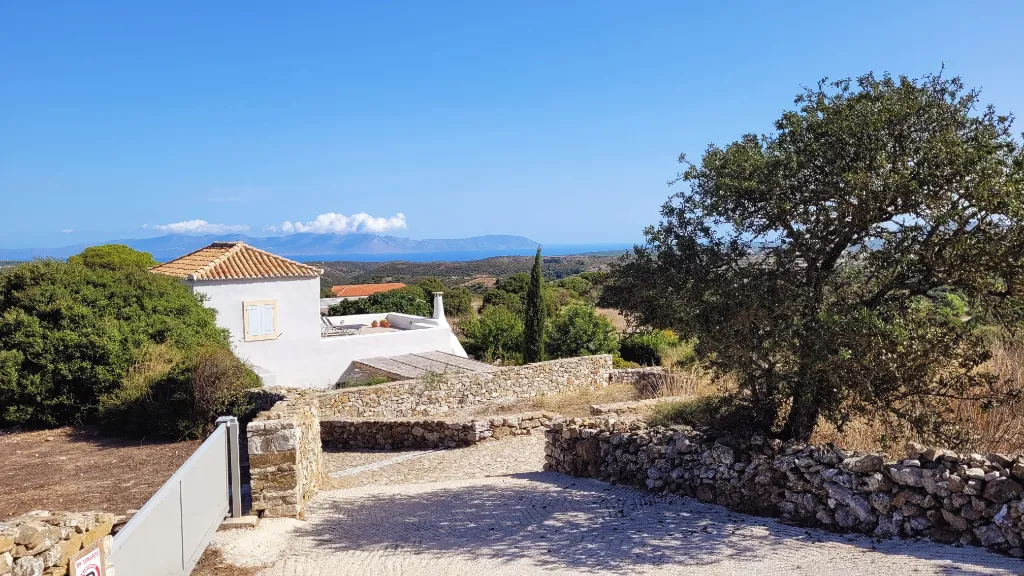
Located at the crossroads to Potamos and Kapsali, Aroniadika, with its southern Peloponnesian architecture, is one of the most traditional villages on the island. Visitors will be impressed by the countless shapes of the chimneys on the houses. Pitsinades, Aloizianika, and Kastrisianika are also charming small traditional villages worth visiting.
Mitata
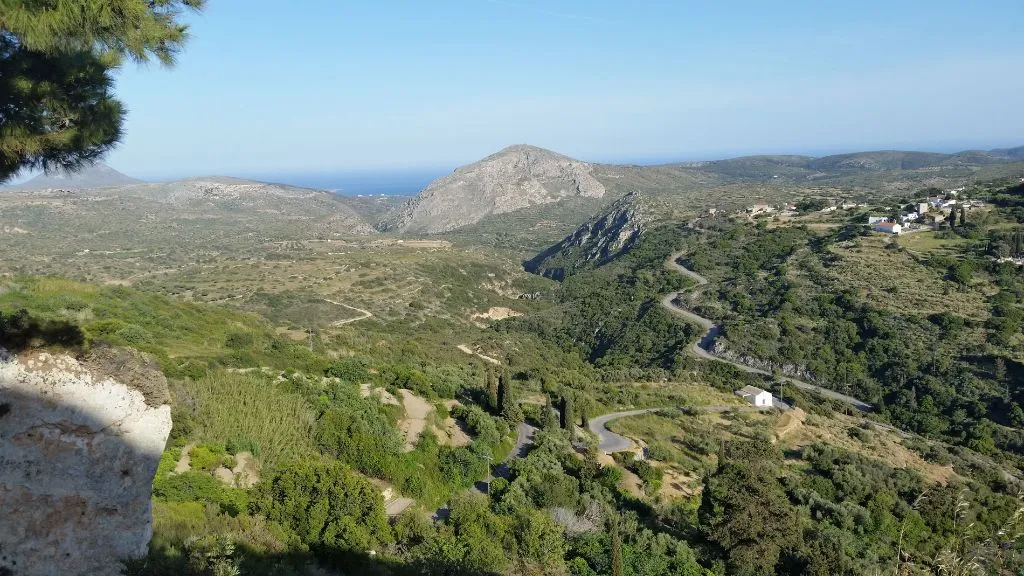
A charming village, almost in the center of the island and in a prominent location, perched on a plateau high above a ravine. The view from the village square is breathtaking. The village café, which also serves as a taverna, is located in the square.
Mylopotamos
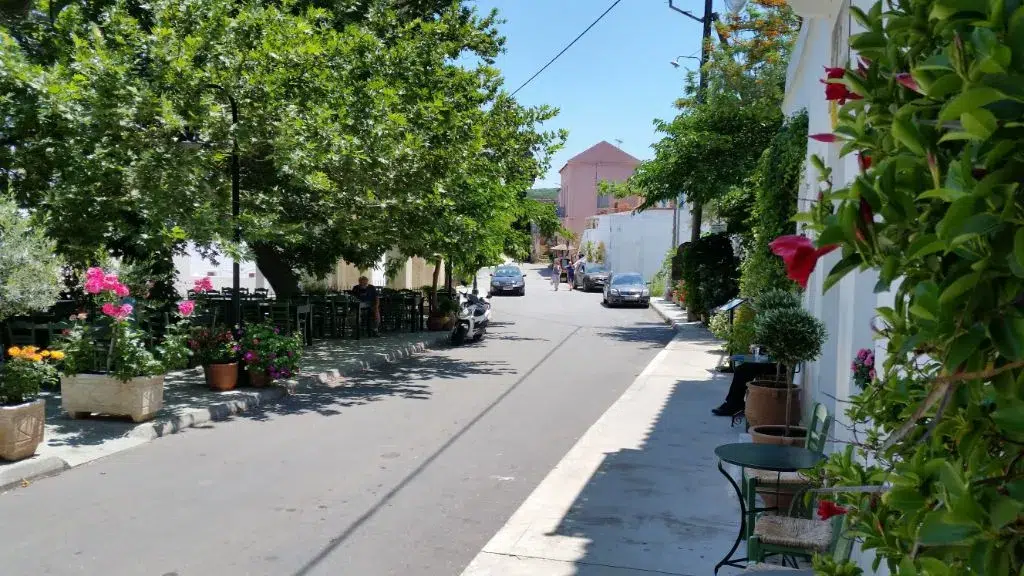
It is one of the most traditional villages on Kythira, characterized by lush vegetation and cool springs. Unfortunately, the population has declined significantly in recent decades. In summer, however, it is a popular tourist destination, with its beautiful old buildings, the village square shaded by plane trees with its classic café, waterfalls, and old watermills.
Kato Milopotamos (Kato Chora) with its Venetian fortress and, finally, the Cave of Saint Sophia with its murals. In the gorge leading to Kalami Beach, 24 watermills operated until the 1950s. The stream’s water was dammed and channeled to the mills. The mills supplied a large portion of the island’s flour needs.
Karavas
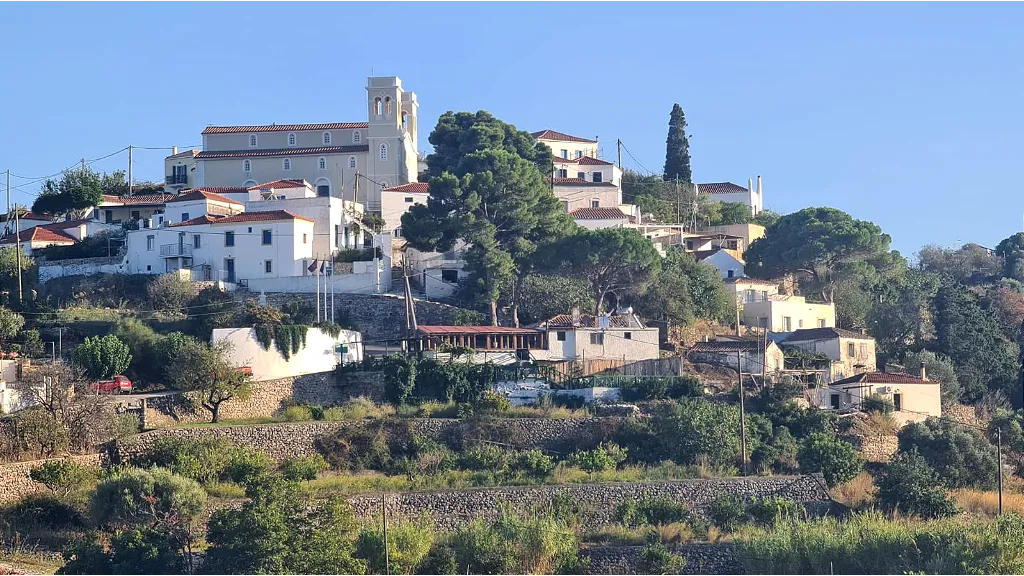
A beautiful, lush, and cheerful village nestled among the hills. A café is located near the church. At the edge of the village, towards Platia Ammos, lies Amir Ali, situated in a streambed with abundant vegetation.
Chora
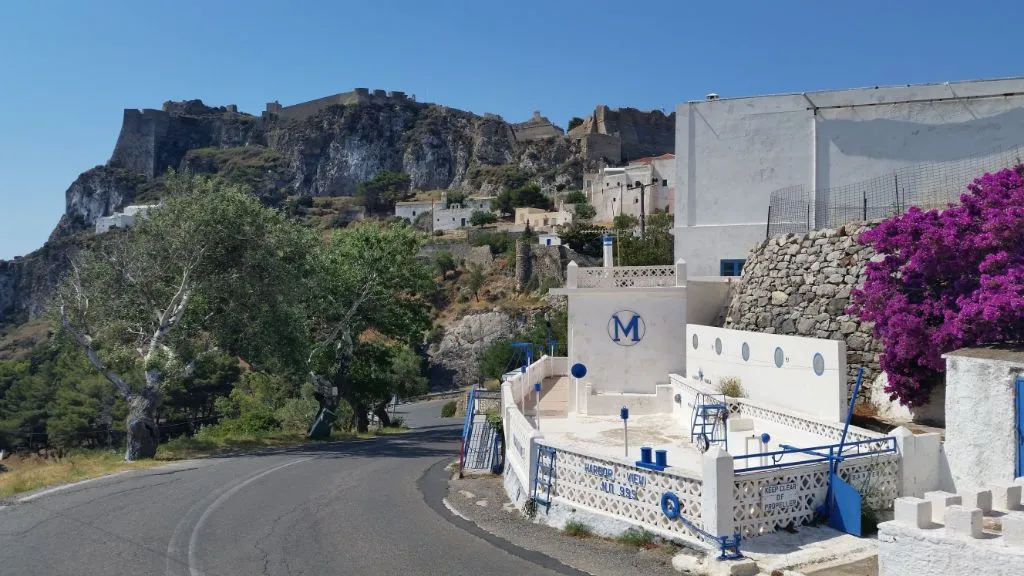
The capital of Kythira, with its picturesque streets and imposing Venetian castle. Admire the architecture of the old buildings and the view of Kapsali from the Belvedere. When visiting Chora, we recommend parking your car in the designated parking area. If you are coming from Livadi, turn left at the entrance to Chora, towards Kapsali. After 200 meters, you will see the parking area on the right.
Avlemonas
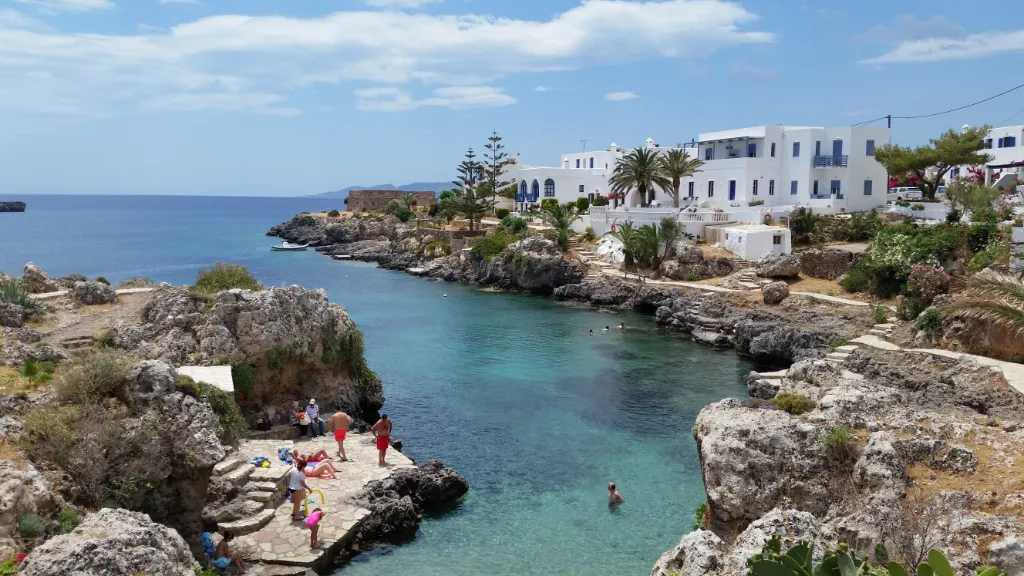
A small, picturesque fishing village, ideal for walks and swimming. The village is very popular during the summer months. At the small fishing harbor, at the end of the village, you will find the famous Cavalini family home with its sundial and the English Observatory. And don’t forget the Venetian fortress, the Castello.
Potamos
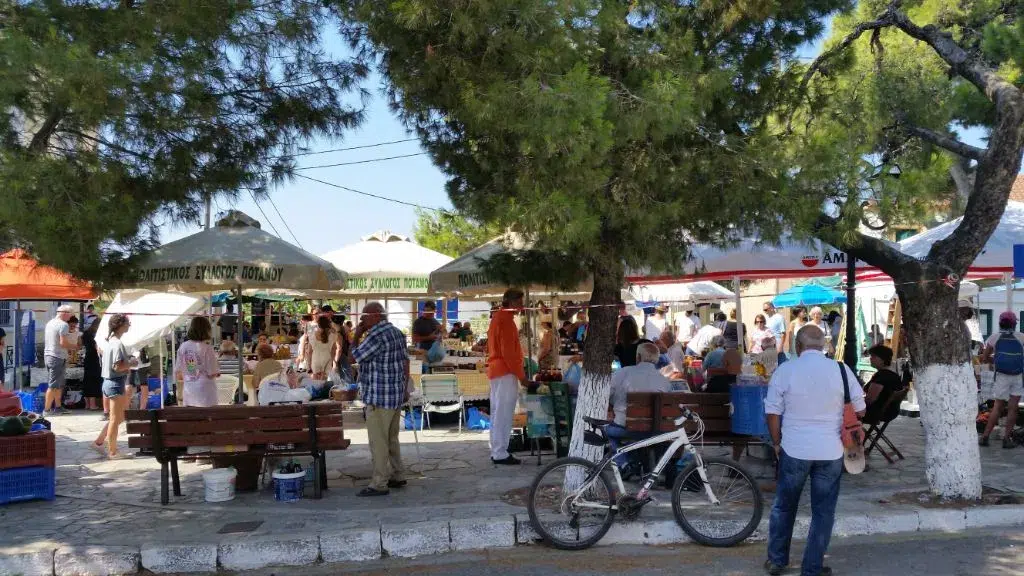
The old trading center in the north of the island with its shops, cafes, and Sunday market featuring local products. The Astikon music cafe, whose name was inspired by the English school in the area, is known for its live performances by various bands. The cafe boasts a century-long history.
Livadi
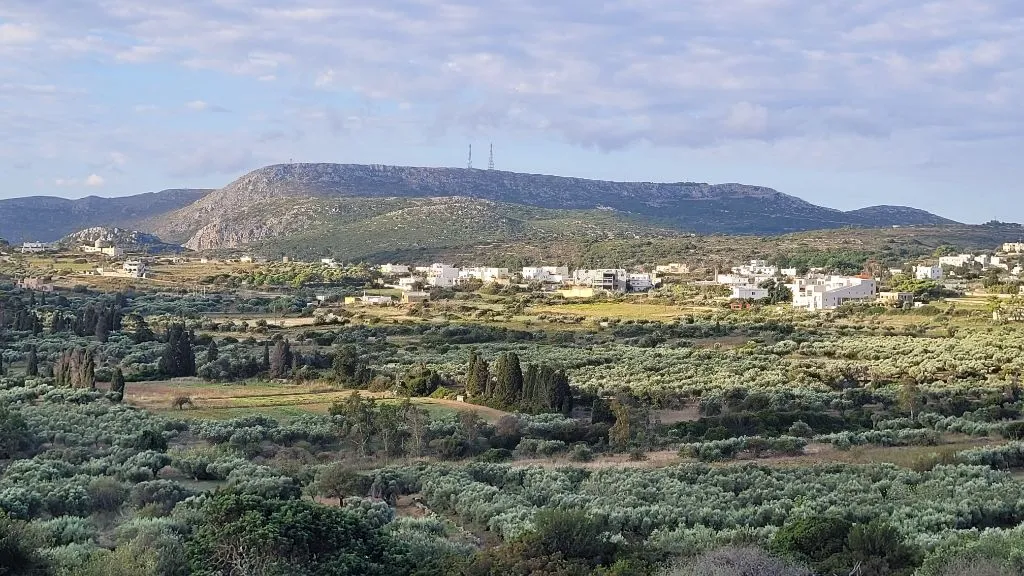
The new, up-and-coming commercial center in the south of the island. The weekly market, held every Wednesday evening during the summer, is a popular meeting place. Don’t forget the Katouni Stone Bridge with its twelve arches; it’s one of countless structures from the British period on Kythira. Built in the 19th century, the bridge is considered the largest stone bridge in the Balkans. Also worth visiting is the Byzantine Museum in Kato Livadi, with its excellent exhibits.
Diakofti
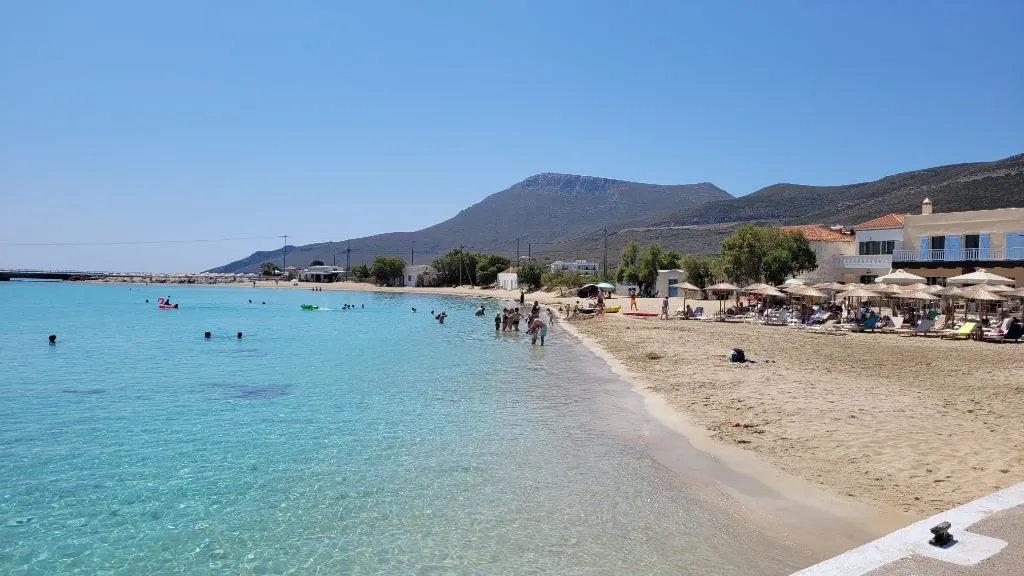
The harbor, located on an offshore island, was opened in 1995. The village boasts a unique golden sandy beach with a gentle slope into the sea (ideal for children) and crystal-clear water, as well as cafes and traditional tavernas. Nearby attractions include the Choustis Cave, where human bones and Mesolithic artifacts were recently discovered, and a shipwreck resting on a small rocky islet. Above Diakofti, on the mountain, stands the Church of Agios Georgios, where excavations unearthed the remains of the largest Minoan temple outside of Crete. The view from there towards Avlemonas is magnificent. Finally, the area is also home to the Agia Moni Monastery. The church was originally built by Theodore Kolokotronis and later converted into a monastery.
Kapsali
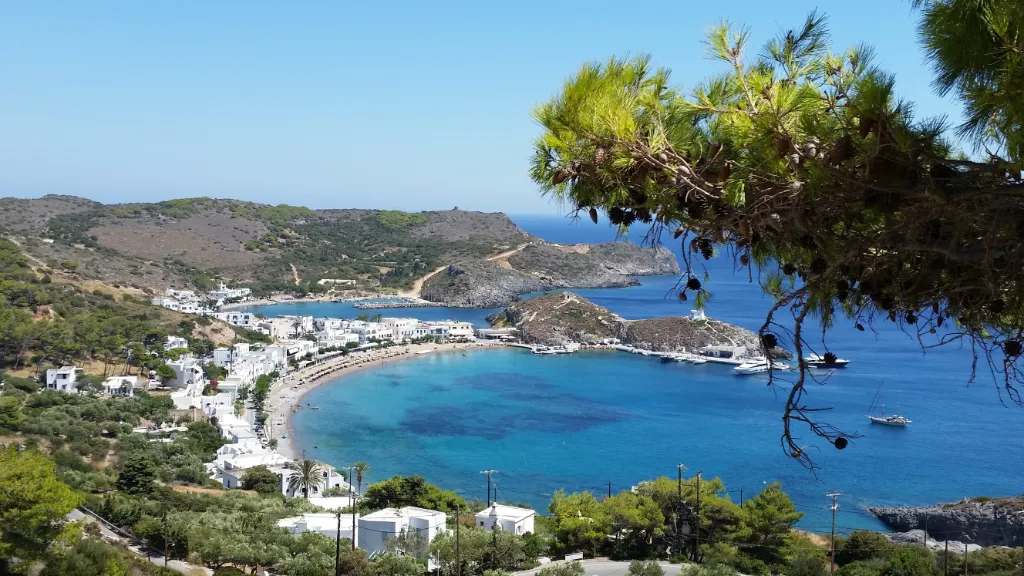
On the south side of Kythira, with its twin bays, the old Venetian harbor, and the majestic Venetian fortress rising 170 meters above the sea, Kapsali is the most popular resort on Kythira. It is known for its nightlife, cafés, bars, and tavernas. High on the cliffs above Kapsali is the monastery dedicated to John the Baptist. Legend has it that after his persecution in Rome, the Evangelist John sought refuge in a cave above Kapsali. It was there that he began writing the Gospel of John before moving to Patmos, where he completed it.
Kalkoreines
A beautiful little village on the way to the Myrtidia Monastery, known for its stunning sunsets. Within walking distance is a small stone bridge dating from 1821. Immediately after, the narrow road leads through an impressive rocky passage down to the sea and the monastery – a scenic route. The monastery is the religious center of Kythira and celebrates the Feast of the Assumption on August 15th and September 24th.
Agia Pelagia
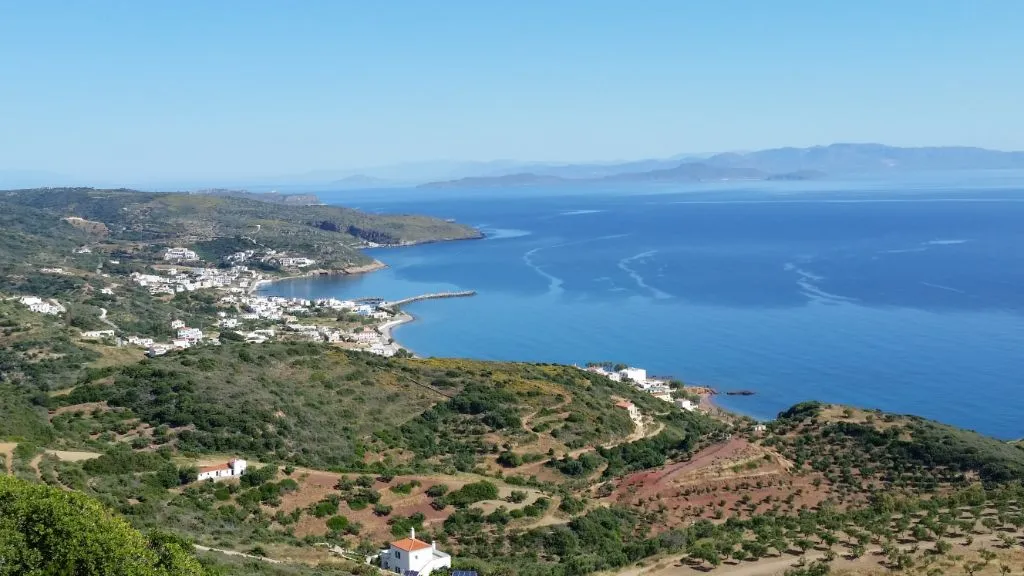
Located on the north side of Kythira, this village has its own distinct tourist character. It has experienced the strongest tourist development in the last decade and offers a wide range of accommodations, tavernas, and cafes. The stunning view across the strait to the Peloponnese, especially in the evening, enchants every visitor.
Paleochora
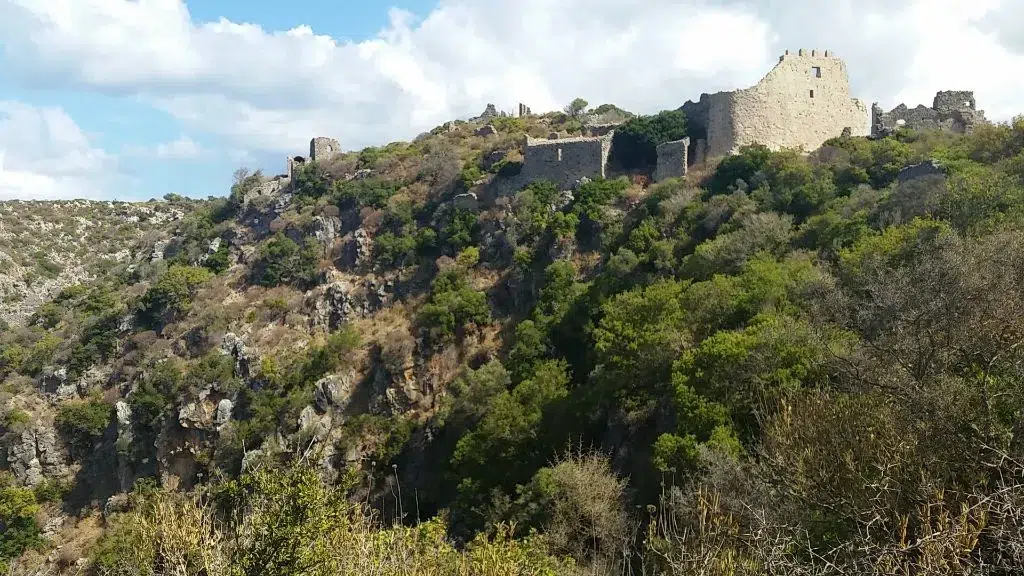
The former fortified capital of Kythira, also known as Agios Dimitrios, was destroyed by the infamous pirate Hayreddin Barbarossa in 1537. The many small Byzantine churches testify to the wealth of its former inhabitants. Built high above a gorge opening towards the sea, the Byzantine city was considered impregnable.